
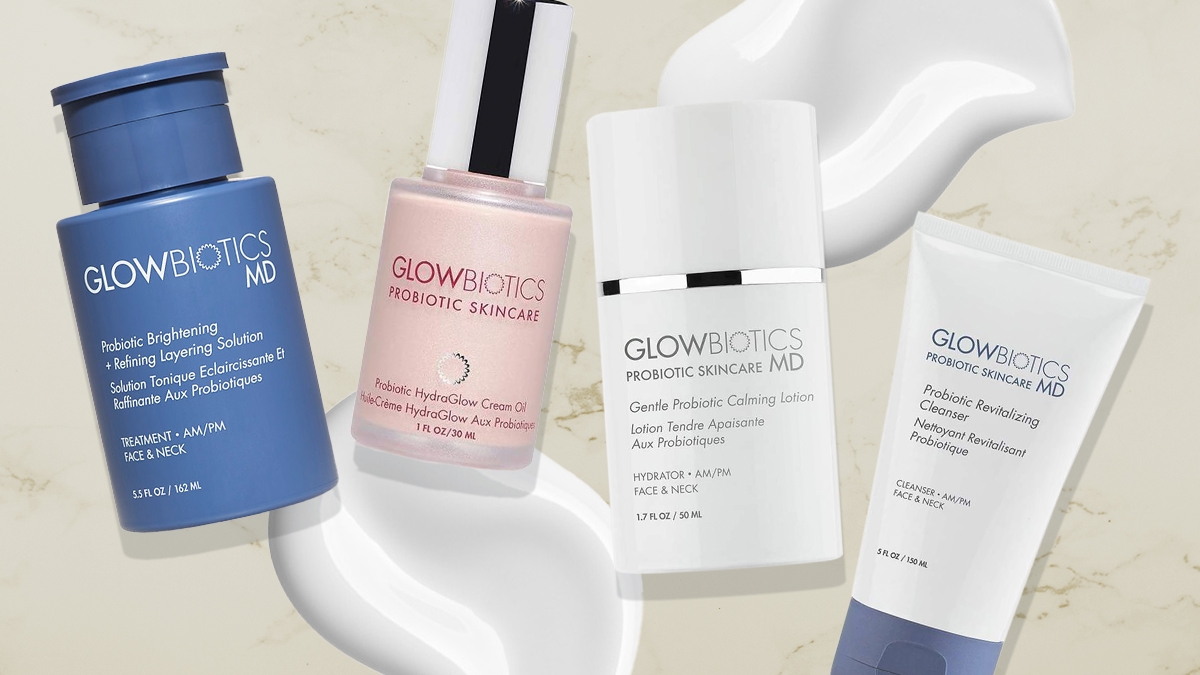
Morning C and evening A effects refer to a widely discussed approach in skincare and wellness routines where vitamin C is typically used during the daytime and vitamin A derivatives are commonly applied at night. This concept is based on how each ingredient interacts with the skin under different environmental conditions and biological rhythms 早c晚a功效. Understanding how these two nutrients work separately and together can help improve skin appearance, texture, and overall health when used consistently and correctly.
Vitamin C is a powerful antioxidant that plays an important role in protecting the skin from environmental stressors. During the daytime, the skin is exposed to sunlight, pollution, and free radicals that can accelerate aging and cause uneven skin tone. Applying vitamin C in the morning helps neutralize these harmful molecules before they can damage skin cells. It also supports collagen production, which is essential for maintaining skin firmness and elasticity. Over time, consistent use can lead to brighter skin, reduced dark spots, and a more even complexion.
One of the key reasons vitamin C is recommended for morning use is its ability to enhance protection against ultraviolet exposure. While it is not a sunscreen, it works alongside sun protection by reducing oxidative stress caused by sun exposure. This makes it a valuable addition to daytime skincare routines, especially for individuals who spend a lot of time outdoors. It also helps reduce the visible effects of fatigue on the skin, giving a more refreshed and energized appearance throughout the day.
In contrast, vitamin A, often used in the form of retinoids, is commonly associated with nighttime skincare. The reason for this timing is that vitamin A increases skin cell turnover and can make the skin more sensitive to sunlight. At night, the body naturally shifts into repair mode, making it an ideal time for regeneration-focused ingredients. Vitamin A supports the shedding of old skin cells and encourages the production of new ones, which can improve skin texture and reduce the appearance of fine lines and acne over time.
The evening use of vitamin A also aligns with the skin’s natural circadian rhythm. During sleep, the skin becomes more receptive to repair processes, and cell renewal activity increases. Applying vitamin A at night enhances this natural cycle, helping the skin recover from daily environmental damage. However, it can sometimes cause dryness, irritation, or peeling when first introduced, so gradual use is often recommended to allow the skin to adjust.
When combining morning vitamin C and evening vitamin A, the overall effect can be more comprehensive skin improvement. Vitamin C focuses on protection and prevention during the day, while vitamin A focuses on repair and renewal at night. This complementary relationship supports both immediate skin brightness and long-term structural improvement. Many skincare routines are built around this balance because it addresses multiple skin concerns simultaneously.
Another important aspect of morning C and evening A effects is their influence on pigmentation. Vitamin C helps reduce the formation of excess melanin, which can lead to dark spots and uneven skin tone. It works by inhibiting oxidative processes that trigger pigmentation. On the other hand, vitamin A accelerates skin turnover, helping fade existing dark spots more quickly by bringing newer skin cells to the surface. Together, they provide a dual approach to achieving clearer and more uniform skin tone.
Hydration and skin barrier support are also indirectly influenced by this routine. Vitamin C helps strengthen the skin’s defense against environmental dehydration, while vitamin A encourages the production of healthier skin cells that contribute to a stronger barrier over time. However, because vitamin A can sometimes cause temporary dryness, it is often paired with moisturizers to maintain balance and comfort in the skin.
It is also important to consider sensitivity when using these ingredients. Vitamin C is generally well tolerated but may cause mild tingling in some individuals, especially those with sensitive skin. Vitamin A, however, can be more potent and may require careful introduction. Starting with lower frequency and gradually increasing usage helps reduce irritation and allows the skin to build tolerance. Consistency is more important than intensity when it comes to achieving long-term benefits.
The effectiveness of morning C and evening A effects also depends on proper application and supporting skincare habits. For example, applying vitamin C on clean skin in the morning and following it with sunscreen enhances its protective benefits. At night, applying vitamin A after cleansing and before moisturizing allows it to work more effectively without interference from environmental factors. Hydration, sun protection, and gentle cleansing all contribute to maximizing results.
Lifestyle factors also play a role in how well these nutrients perform. A balanced diet, adequate sleep, and proper hydration support skin health from within. Vitamins C and a are also obtained through food sources such as fruits, vegetables, and certain animal products, contributing to overall skin nourishment. When combined with topical application, these nutrients create a more holistic approach to skincare.
Over time, individuals who consistently follow a routine that incorporates morning vitamin C and evening vitamin A often notice gradual but meaningful improvements. These may include smoother texture, reduced fine lines, improved elasticity, and a more radiant complexion. However, results vary depending on skin type, age, and environmental exposure, so patience is essential.
In conclusion, the concept of morning C and evening A effects is based on the complementary roles of two powerful nutrients that support skin health in different ways. Vitamin C focuses on protection, brightness, and environmental defense during the day, while vitamin A focuses on renewal, repair, and long-term improvement at night. When used thoughtfully and consistently, this combination can contribute to healthier, stronger, and more radiant skin over time.