
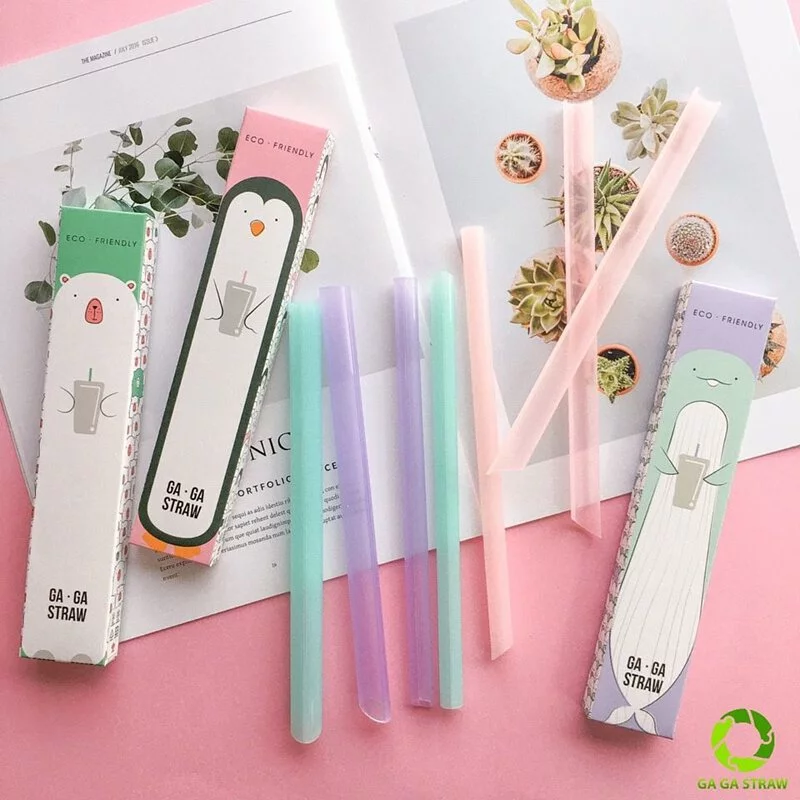
As global awareness of ecological issues rises, people are becoming more conscious of the products they use daily. One small but meaningful shift has been the transition from traditional plastic straws to Environmentally friendly straws. This change represents more than a trend; it reflects a widespread desire to reduce waste, protect wildlife, and support sustainable living. As individuals, businesses, and governments collectively take action, Environmentally friendly straws are becoming a symbol of responsible choices in a world striving for a greener future.
Environmentally friendly straws have gained momentum as an alternative to single-use plastic straws, which contribute significantly to pollution 環保吸管. For years, plastic straws were used casually and discarded without much thought, but the growing volume of plastic waste in oceans and landfills has prompted a global reconsideration. Marine animals, birds, and even land creatures often mistake plastic for food or become entangled in it, causing severe harm. Environmentally friendly straws help reduce this impact by offering a sustainable replacement that breaks down naturally and safely.
One of the most remarkable features of Environmentally friendly straws is the variety of materials they are made from. These options include paper, bamboo, stainless steel, glass, wheat, agave, and even edible materials. Each type serves a different purpose and offers unique benefits, giving consumers the freedom to choose what suits their lifestyle. Paper straws, for example, are ideal for short-term use and decompose quickly. Bamboo straws are reusable, durable, and naturally biodegradable. Stainless steel and glass straws appeal to people who prioritize longevity and want a single straw that can be used repeatedly for years. This diversity demonstrates how Environmentally friendly straws can adapt to various needs while significantly reducing waste.
Businesses have played a pivotal role in promoting Environmentally friendly straws as part of their sustainability initiatives. Restaurants, cafés, hotels, and event organizers around the world have adopted these eco-friendly alternatives to reduce their environmental footprint. This shift is not only beneficial for the planet but also appeals to customers who value responsible brands. Many consumers prefer establishments that make environmentally conscious choices, and the use of Environmentally friendly straws helps strengthen a company’s image and align it with modern expectations for sustainability.
Governments and environmental organizations have also contributed to the growing demand for Environmentally friendly straws. Several countries and cities have banned or restricted single-use plastics, including straws, due to the significant pollution they cause. Such policies encourage innovation and support companies that manufacture sustainable products. As these regulations spread, Environmentally friendly straws become even more essential, offering a practical solution that complies with environmental goals while maintaining convenience for consumers.
In addition to their ecological benefits, Environmentally friendly straws contribute to a culture of mindfulness. When people choose an eco-friendly alternative, even for something as simple as a straw, they become more aware of their environmental impact. This awareness often extends to other areas of life, inspiring individuals to adopt additional sustainable habits such as reducing plastic use, recycling, or choosing reusable products. Small actions can spark larger lifestyle changes, and Environmentally friendly straws play a surprisingly influential role in this transformation.
Another important aspect of Environmentally friendly straws is their influence on innovation. As demand increases, companies are developing new materials and designs to improve functionality, durability, and sustainability. Some brands have introduced straws made from seaweed, pasta, and even biodegradable polymers created from natural resources. These innovations not only provide consumers with more choices but also push the boundaries of what sustainable manufacturing can achieve. By supporting the market for Environmentally friendly straws, people help encourage ongoing research and development in eco-friendly materials.
Despite their many benefits, Environmentally friendly straws also face challenges. Some materials, like paper, may become soggy over time, while others, like bamboo or metal, require cleaning and maintenance. However, these minor inconveniences are often outweighed by the positive environmental impact they deliver. Improvements in design and quality continue to address these issues, making the transition easier for users. Ultimately, the environmental advantages far exceed the temporary discomforts, especially when considering the long-term well-being of the planet.
The rise of Environmentally friendly straws also highlights the power of collective responsibility. When millions of people choose a sustainable product, the impact becomes significant. It demonstrates how individual habits can influence global markets and environmental conditions. Companies become more motivated to offer eco-conscious products, and policymakers are encouraged to support green initiatives. This chain reaction shows how meaningful change can begin with simple decisions made by ordinary people.
Looking ahead, Environmentally friendly straws are likely to become an everyday staple rather than an optional choice. As environmental concerns grow, sustainable solutions will continue to replace traditional materials that harm the ecosystem. The future may bring even more advanced designs and innovative materials that further reduce the carbon footprint of consumer products. By embracing these alternatives, society takes a step toward cleaner oceans, healthier wildlife, and a more sustainable planet.
In conclusion, Environmentally friendly straws represent much more than a substitute for plastic; they symbolize a shift toward conscious living and responsible consumption. They offer practical, sustainable, and creative alternatives that reduce waste and encourage eco-friendly habits. Whether used by individuals at home, businesses serving customers, or communities promoting environmental awareness, Environmentally friendly straws play a significant role in building a greener world. Their growing popularity reflects a deepening understanding that even small actions can have a powerful impact. Choosing an Environmentally friendly straw is a simple decision, but it contributes to a healthier planet—one sip at a time.
 Russell